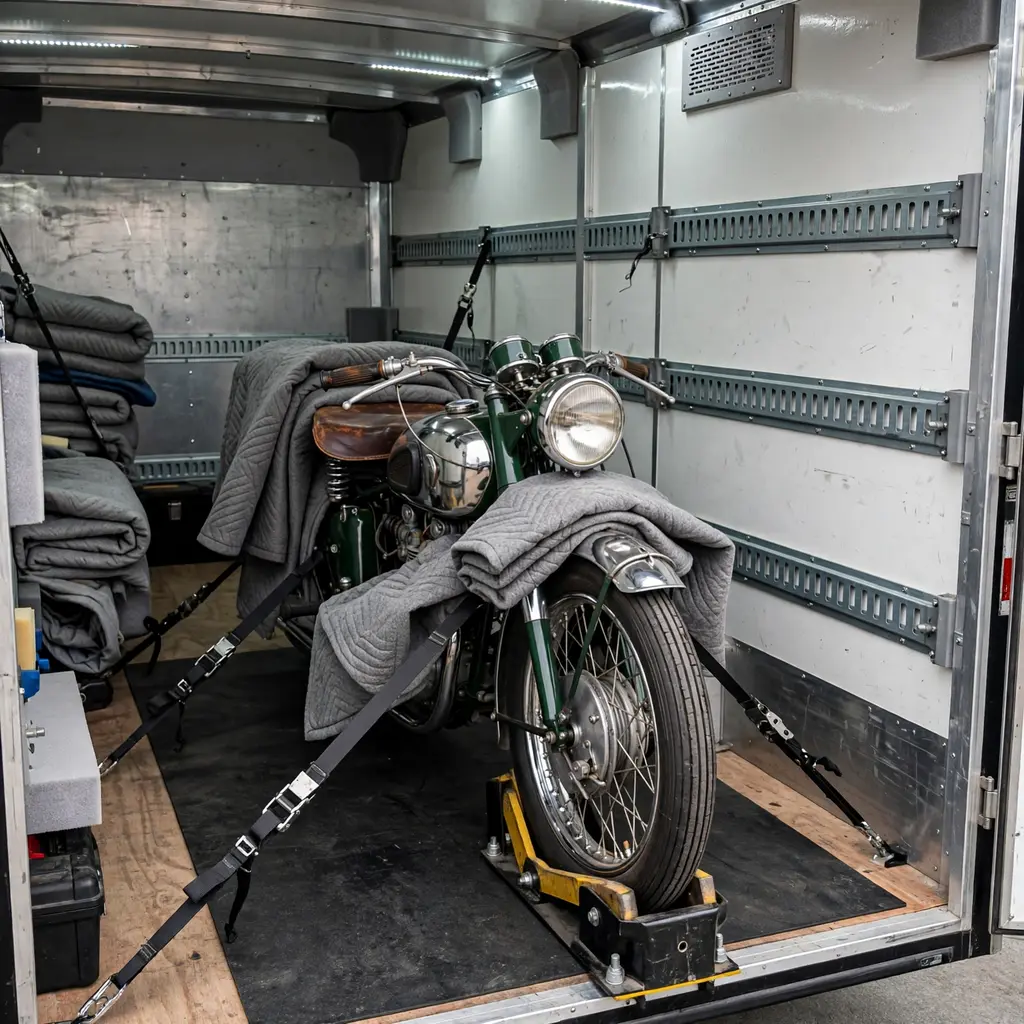
Complete Moving Service Overview
Planning a relocation across state lines often means managing transportation, packing, scheduling, paperwork, and household logistics at the same time. For anyone researching interstate moving services, Three Movers offers a broad selection of relocation solutions that can be tailored to different shipment sizes and moving situations. Its long-distance services are designed to support customers who need more than basic transportation, with options covering household moves, packing, storage, vehicle shipping, and specialized relocation requirements.
Looking Beyond a Basic Moving Truck
A long-distance move is rarely as simple as putting belongings into a vehicle and driving to a new address. The distance between locations can create additional planning requirements, especially when the move involves large furniture, fragile possessions, multiple vehicles, or a tight delivery schedule.
Three Movers takes a broader approach by offering several services under one moving provider. This can give customers the opportunity to build a moving arrangement around their circumstances instead of paying for services they do not need. A smaller relocation may require transportation and loading assistance, while a larger household could benefit from packing, furniture handling, storage, and delivery support.
Packing Can Change the Moving Experience
Packing is one of the most time-consuming parts of preparing for a major relocation. Boxes need to be organized, fragile possessions need protection, and larger household items often require special handling. When customers handle everything themselves, preparation can take days or even weeks.
Three Movers includes packing-related services among its available options. Professional assistance can be considered for customers who have limited preparation time or who would rather have experienced movers handle delicate and bulky possessions.
Crating may also be relevant for items that need additional protection during transportation. Proper preparation before loading can help create a more orderly shipment and make unloading easier once the truck reaches its destination.
Storage Adds Another Layer of Flexibility
Moving dates do not always line up perfectly. A lease may expire before a new home is ready, a closing date may change, or a customer may need temporary space between two residences. In these situations, storage can become an important part of the relocation plan.
Three Movers offers storage as part of its wider moving services. Having storage available can be useful when customers need additional time between pickup and final delivery. It may also help people who are downsizing, renovating, relocating temporarily, or transitioning between properties.
Before arranging storage, customers should confirm the duration, pricing, access rules, inventory procedures, and protection provided for stored belongings.
Moving More Than Household Furniture
Long-distance relocation is not limited to standard household shipments. Some customers may need to transport a vehicle at the same time as their personal belongings. Others could be relocating a business, moving specialty items, or arranging an international shipment.
Three Movers promotes additional services that include auto transport, commercial moving, crating, and international relocation. This wider service range can be appealing when a move involves several different transportation requirements.
For example, someone relocating to another state may need household goods delivered while also arranging separate transportation for a car. Coordinating these needs through a moving provider can make the overall planning process more straightforward.

Getting a Clear Picture of the Price
Cost is naturally one of the biggest considerations when evaluating a long-distance mover. However, the initial price should not be the only factor used to compare providers.
The total moving cost can depend on shipment weight or volume, travel distance, labor, packing requirements, storage, special handling, stairs, accessibility, and additional services. Customers should ask for a detailed estimate that explains what the quoted amount covers.
The Federal Motor Carrier Safety Administration provides consumer information about interstate moving estimates, contracts, and protections. Its guidance can help customers understand important parts of the moving process before signing an agreement.
Reviewing Protection Options
Household belongings can be valuable, both financially and personally. Before a move begins, customers should understand what happens if an item is lost or damaged during transportation.
Interstate movers have specific valuation requirements, and customers may have different protection options depending on the agreement. It is worth reading the valuation section carefully instead of assuming that standard moving charges automatically provide complete replacement coverage.
Creating an inventory of important belongings can also be useful. Photographs, descriptions, receipts for particularly valuable items, and written records may help maintain better documentation throughout the relocation.
Why Research Still Matters
A broad service menu can be useful, but customers should still conduct their own research before making a booking. Reviews can reveal common customer experiences, while official records and written contracts provide additional information about the company and the specific move.
It is also important to determine who will actually transport the shipment. Customers should understand whether they are dealing directly with a moving company or a broker arranging transportation through another provider. Asking this question early can prevent confusion later in the process.
A careful review should cover the estimate, pickup and delivery arrangements, cancellation terms, valuation coverage, storage conditions, and any additional charges that could apply.
Flexible Option for Different Moving Needs
Three Movers may appeal to customers who want access to several relocation services rather than arranging every part of a move independently. Its range includes household moving, packing, storage, commercial relocation, vehicle transportation, and other specialized services.
That flexibility can be particularly useful when a long-distance move includes more complicated requirements. However, the right provider ultimately depends on the customer’s shipment, budget, timing, and service expectations.
Final Assessment
Three Movers presents a full-service approach that goes beyond transporting boxes from one state to another. Its combination of moving, packing, storage, auto transport, and specialized services gives customers multiple ways to organize a long-distance relocation.
Anyone considering the company should compare a written estimate with other movers, review protection terms, confirm the services included, and check the details of the moving agreement. With careful preparation and clear communication, customers can build a relocation plan that better matches the practical demands of moving across state lines.