Costa Rica’s Growing Role in Biotechnology
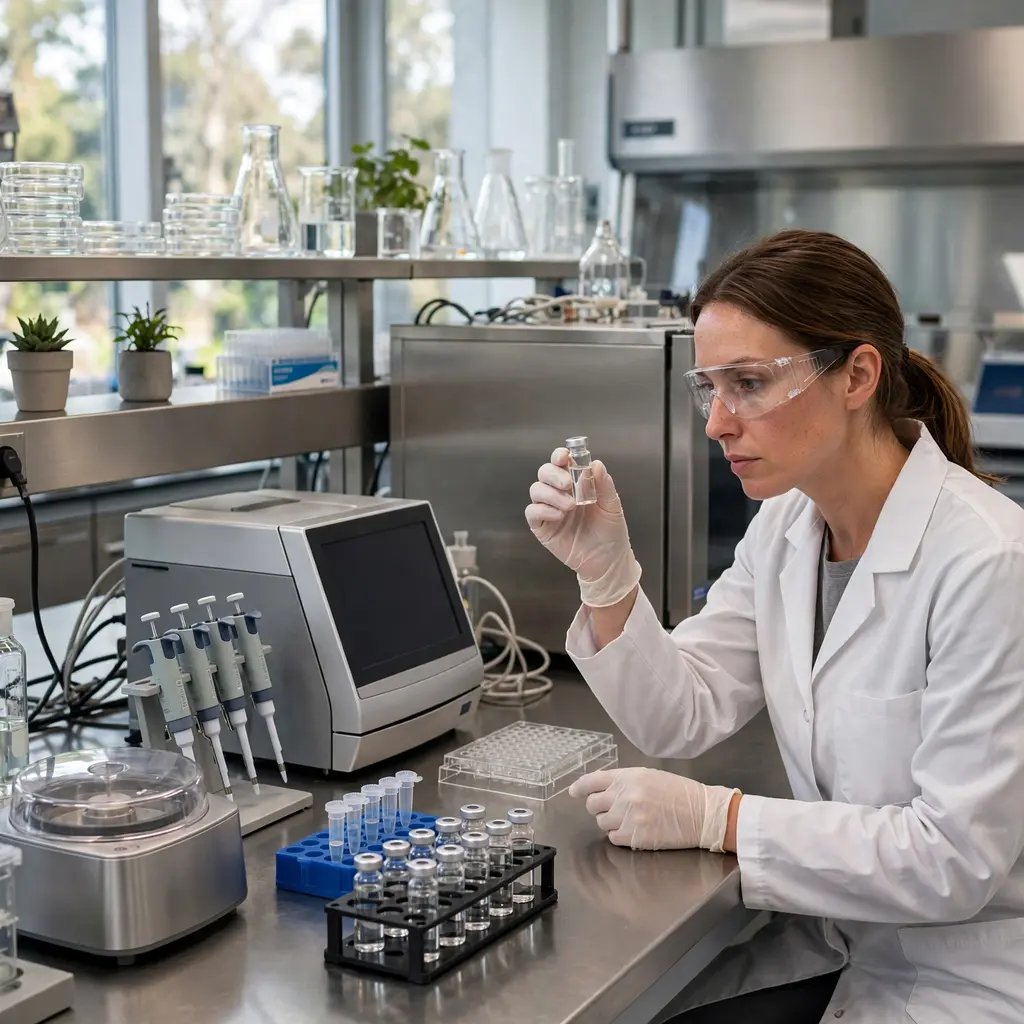
Costa Rica has long been recognized for its commitment to innovation, sustainability, and education. Today, the country is adding another chapter to its scientific success story through the expansion of peptide-based research. As global interest in biotechnology continues to rise, Costa Rican universities, laboratories, and research professionals are increasingly exploring the potential of these powerful molecules. This article examines how peptide science is helping redefine biomedical research and why Costa Rica is becoming a notable participant in this rapidly evolving field.
Peptides Small Molecules with Big Potential
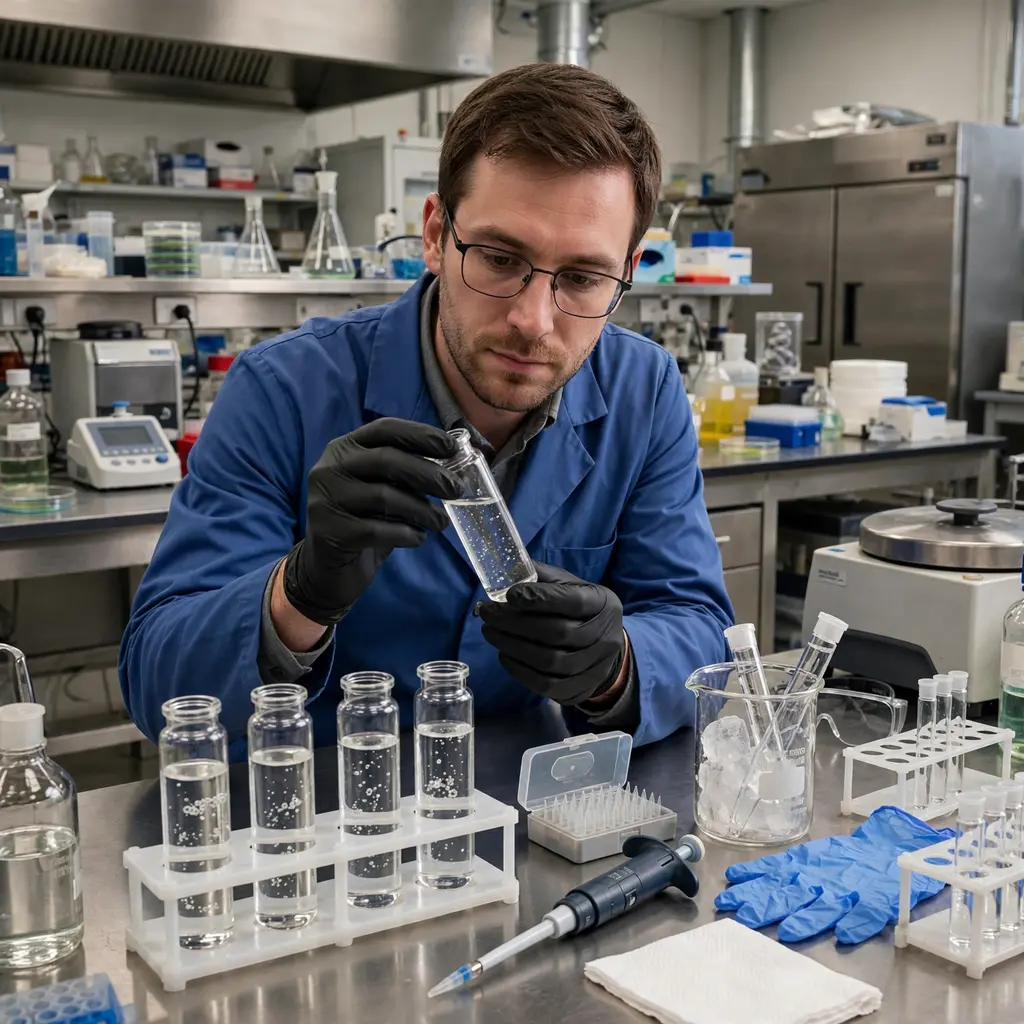
Peptides are short chains of amino acids, the fundamental building blocks that also form proteins. Despite their relatively simple structure, peptides play vital roles in biological functions such as hormone regulation, cellular communication, tissue repair, and energy metabolism. Their precision and versatility have made them valuable tools for researchers seeking a deeper understanding of complex biological systems. Scientists view peptides as an important gateway to discovering new mechanisms that influence human health and disease.
Why Peptide Research Is Expanding in Costa Rica
The global scientific community has shown increasing interest in peptides because of their ability to target biological pathways with remarkable accuracy. Costa Rica is embracing this trend by investing in research capabilities and creating opportunities for local scientists to engage in cutting-edge studies. What was once primarily concentrated in North American and European laboratories is now being actively explored in Central America as well. Access to research-grade compounds and improved scientific infrastructure is helping Costa Rican investigators contribute to international discussions surrounding biotechnology and biomedical innovation.
Retatrutide and the New Generation of Research Compounds
Among the compounds attracting significant attention in scientific circles is retatrutide. Researchers are investigating this peptide-based molecule for its relationship to energy metabolism and weight regulation in experimental models. Preliminary studies have generated widespread interest due to their potential implications for understanding metabolic processes. While retatrutide remains a research compound and is not broadly approved for therapeutic use, its growing prominence highlights the direction of modern peptide science. Researchers are increasingly focused on understanding how specific molecules interact with multiple biological pathways to influence health outcomes.
Critical Role of Quality and Regulatory Awareness
Scientific progress depends heavily on the quality, purity, and traceability of research materials. Even the most promising study can be compromised if compounds fail to meet rigorous standards. For this reason, researchers often rely on internationally recognized regulatory resources when evaluating scientific information and safety considerations. Organizations such as the U.S. Food and Drug Administration (FDA) provide valuable guidance regarding research practices, safety standards, and emerging biomedical developments. Maintaining strict quality controls remains essential for ensuring reliable and reproducible research outcomes.
Building a Strong Research Ecosystem
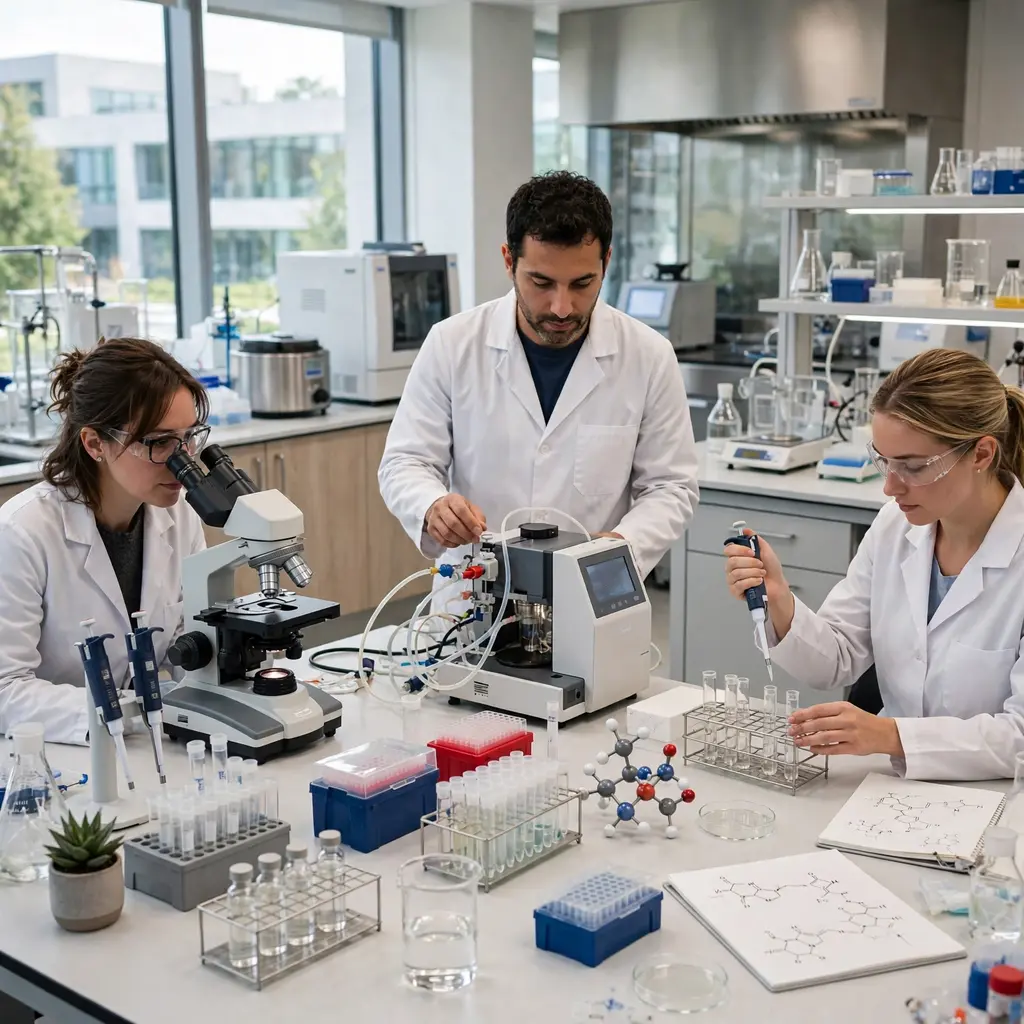
A successful scientific ecosystem depends on three key elements: talent, infrastructure, and access to reliable research materials. Costa Rica already benefits from a well-educated workforce and a growing scientific community. As access to specialized research compounds improves, local laboratories gain greater opportunities to conduct meaningful experiments without facing some of the logistical challenges historically associated with sourcing materials internationally. This development supports a more efficient research environment while strengthening connections between local scientists and the broader global scientific community.
From Specialized Research to Public Interest
Peptides were once discussed almost exclusively within academic institutions and laboratory settings. Today, awareness extends far beyond specialized scientific circles. Advances in biotechnology have captured the attention of healthcare professionals, students, entrepreneurs, and science communicators. Public interest has increased as more people seek to understand how scientific discoveries may influence future healthcare innovations. This broader awareness encourages scientific literacy and fosters support for research initiatives that can contribute to technological and medical progress.
Future of Metabolic and Biomedical Research
The excitement surrounding compounds such as retatrutide reflects a larger shift in biomedical research. Scientists are increasingly studying molecules that can influence multiple biological targets simultaneously, opening new avenues for understanding metabolism, cellular signaling, and disease mechanisms. These investigations require years of collaboration, experimentation, and validation before meaningful conclusions can be reached. Nevertheless, the growing body of research demonstrates the immense potential of peptide science to expand our knowledge of human biology.
Costa Rica’s Opportunity in the Global Scientific Landscape
Costa Rica’s longstanding commitment to education and innovation places it in a strong position to participate in the next generation of biomedical research. Increased investment in biotechnology, combined with access to high-quality research materials and skilled professionals, is creating new opportunities for scientific advancement. As peptide research continues to expand worldwide, Costa Rican institutions are well positioned to contribute valuable insights and strengthen the country’s reputation within the international scientific community.
Conclusion
Peptide research represents one of the most promising frontiers in modern biotechnology. From understanding cellular communication and metabolic regulation to supporting groundbreaking scientific investigations, peptides are transforming how researchers study biological systems. Costa Rica’s growing involvement in this field reflects its broader commitment to innovation, education, and scientific excellence. By fostering a strong research ecosystem built on quality, collaboration, and responsible practices, the country is helping shape the future of biomedical discovery while establishing itself as an emerging leader in regional biotechnology.