Moving to a new home is a complex undertaking on its own, but when your household includes more than one vehicle, the logistics multiply quickly. Successfully coordinating a relocation with multiple cars requires careful vehicle transport planning alongside your broader moving strategy, or you risk delays, unexpected expenses, and unnecessary stress. Whether you’re relocating across town or across the country, understanding the challenges ahead and the practical strategies to meet them can make the process far smoother.
Why Multiple Vehicles Make a Move More Complicated
It’s increasingly common for families to own more than one car. In fact, a significant percentage of U.S. households have two or more vehicles, meaning many will face the added hurdle of transporting cars along with household goods during a move. Each additional vehicle introduces its own set of logistical considerations that don’t come with moving furniture or boxes.
One key issue is simply distance. Driving one car long distances can be tiring; driving two or three becomes overwhelming. Unless you have multiple licensed drivers ready and willing to take turns, driving each vehicle yourself may just not be practical. This challenge is magnified if you need to coordinate travel schedules and accommodations during a long journey.
Then there’s the timing problem. Ideally, you want your vehicles to arrive at your new home when you do. Without synchronized delivery, you could end up at your destination with no car to drive to work, run errands, or handle immediate tasks. Having reliable transportation when you first arrive matters more than many people realize.
Finally, coordinating multiple cars in the midst of an already demanding relocation can simply feel like a headache. Moving involves juggling movers, utilities, address changes, and household tasks adding car logistics to that list can push stress levels higher than necessary.
Smart Solutions for Multiple Vehicle Moves
Fortunately, there are several effective strategies for moving with more than one automobile. The best choice depends on your budget, timeline, and tolerance for hands-on involvement.
Hire Professional Auto Transport
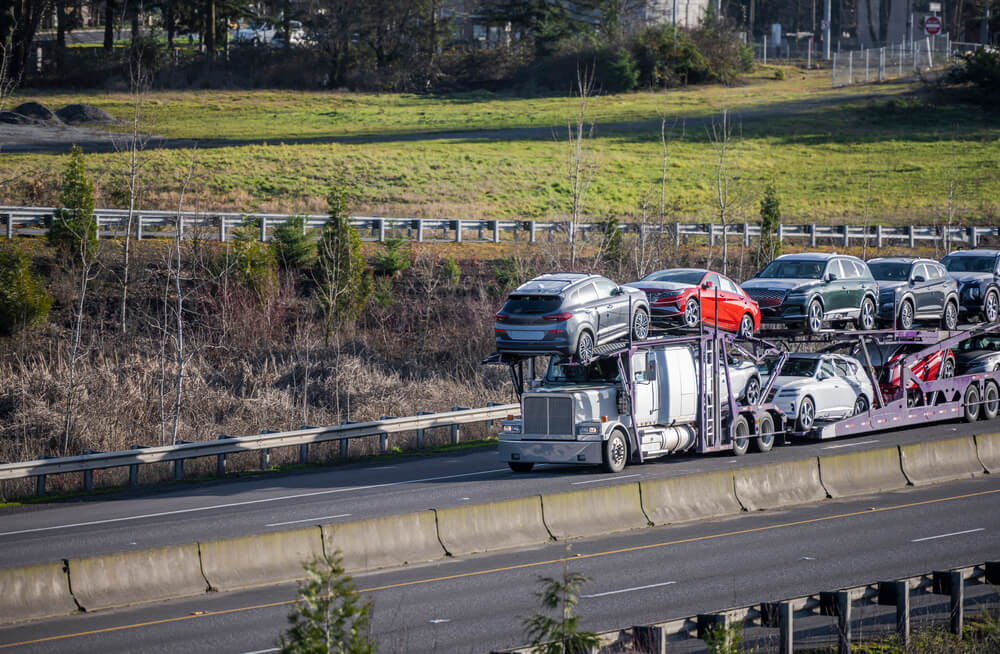
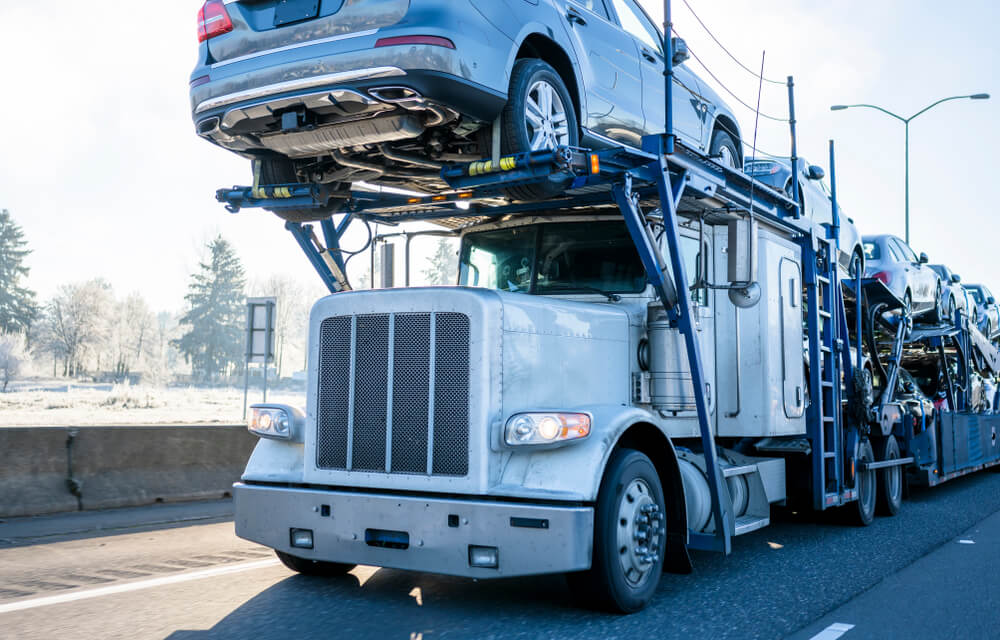
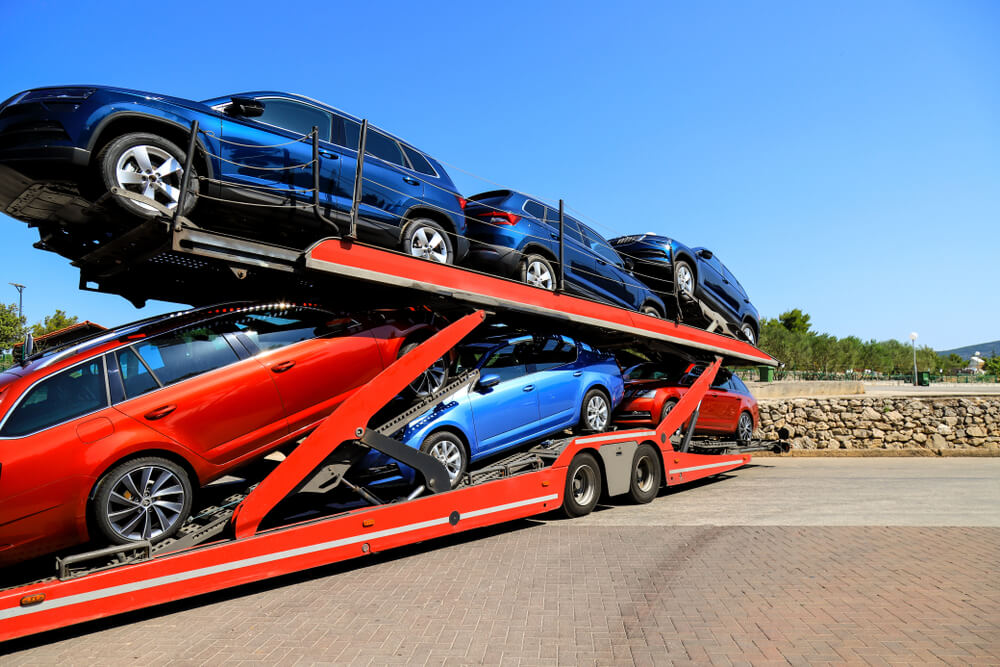
One of the most straightforward ways to handle multiple vehicles is to use professional auto transport services. These companies specialize in transporting cars safely and efficiently from one location to another. Working with professionals removes the burden of driving long distances yourself and reduces wear and tear on your vehicles.
Convoy Driving
If your move is regional and you have multiple reliable drivers available, you might consider driving all of the vehicles yourself in a convoy. This approach keeps all vehicles together and allows for mutual support if any issues arise during the journey.
Convoy driving requires careful coordination: You’ll need to plan routes, rest stops, fuel breaks, accommodations, and driving schedules that work for everyone involved. While this method keeps you in control and can be more economical for short distances, it becomes less practical the longer the trip and more complex the route.
Hybrid Method
A hybrid approach combines professional transportation with self-driving. For example, you might drive one vehicle to your new location and have the rest transported. This option ensures that you have transportation immediately on arrival while alleviating the need to drive every car yourself. It balances convenience and cost, making it a popular choice for many moving families.
Choosing the Right Transport Method
Once you decide to go with professional transport, you’ll need to determine the best type of service for your situation. The most common option is open transport, where cars ride on open-air trailers alongside other vehicles. This is often the most economical choice and works well for standard vehicles.
Another choice is between door-to-door and terminal-to-terminal services. Door-to-door transport offers maximum convenience, with the carrier picking up and dropping off vehicles at specified locations. Terminal services may reduce costs but require you to coordinate drop-offs and pickups at specific facilities.
Final Thoughts
Moving with multiple vehicles doesn’t have to derail your relocation plans. The key is to begin planning early, understand the specific challenges involved, and choose the strategy that aligns with your timeline and budget. Whether you choose professional transport, drive in convoy, or combine approaches, careful planning and decision-making can ensure your cars arrive safely and on schedule.