Expert Guide on How to Reconstitute Peptides from Start to Finish
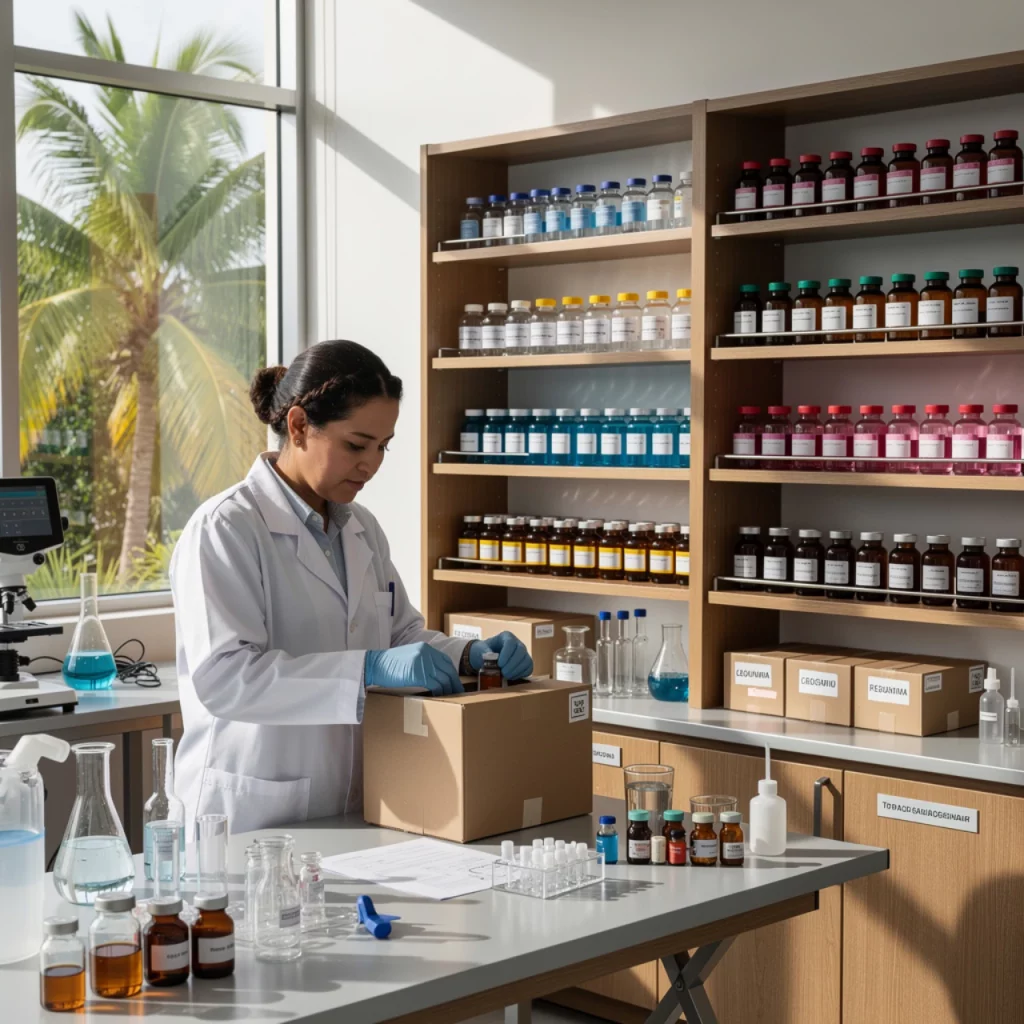
Peptides are commonly supplied in a freeze dried form to preserve their stability during storage and shipping. Before they can be used in laboratory or research settings, they must be mixed with a suitable sterile liquid. Learning how to reconstitute peptides correctly helps maintain the integrity of the compound and reduces the risk of contamination. Following proper handling procedures also supports consistent concentration and accurate preparation for research applications.
Why Freeze Dried Peptides Require Reconstitution
Lyophilization removes water from peptides while protecting their structure over time. This process extends shelf life and makes transportation easier. Once the peptide is ready for use, it must be dissolved using an appropriate bacteriostatic or sterile water solution. The amount of liquid added depends on the desired concentration and the manufacturer’s recommended guidelines.
Supplies Needed Before You Begin
Gathering the correct materials before starting helps create a smooth and controlled process. Common items include:
- Lyophilized peptide vial
- Sterile or bacteriostatic water
- Sterile syringe with an appropriate needle
- Alcohol wipes
- Clean gloves
- Labels for recording preparation date and concentration
Working in a clean environment minimizes contamination and helps protect the quality of the peptide.
Choosing the Right Diluent
The type of liquid used for reconstitution can influence peptide stability. Sterile water is often selected when the solution will be used shortly after preparation. Bacteriostatic water contains a preservative that may help extend usability after mixing when stored correctly. Always review the product documentation to confirm the recommended diluent for the specific peptide.
For detailed scientific information about peptide chemistry and biological function, the Peptide Resource from the National Center for Biotechnology Information (NCBI) provides trusted educational resources.
Step by Step Reconstitution Process
Start by cleaning the tops of both the peptide vial and the water vial with separate alcohol wipes. Draw the required amount of sterile liquid into the syringe using proper sterile technique.
Instead of injecting the liquid directly onto the peptide powder, slowly allow it to flow down the inside wall of the vial. This gentle method helps reduce foaming and avoids unnecessary stress on the peptide molecules.
After adding all of the liquid, gently swirl the vial until the contents dissolve completely. Avoid vigorous shaking, which may affect sensitive peptides. The finished solution should appear clear unless otherwise specified by the manufacturer.
Calculating the Final Concentration
Knowing the final concentration is important for accurate measurement during research. The concentration depends on both the amount of peptide in the vial and the volume of liquid added.
For example, if a vial contains 10 milligrams of peptide and is mixed with 2 milliliters of bacteriostatic water, the resulting concentration equals 5 milligrams per milliliter. Careful calculations help maintain consistency across every preparation.
Proper Storage After Reconstitution
Once reconstituted, peptides generally require refrigeration to help preserve stability. Storage temperature recommendations may vary depending on the peptide itself, so always follow the manufacturer’s guidance.
Keep the vial tightly sealed, protected from excessive light, and clearly labeled with the preparation date. Repeated warming and cooling cycles should be minimized because temperature fluctuations may reduce peptide stability over time.
Common Mistakes to Avoid
Several simple mistakes can reduce peptide quality or shorten its usable life. Injecting liquid too quickly may create excessive bubbles, while shaking the vial aggressively can affect delicate peptide structures. Using non sterile equipment or touching sterile surfaces increases contamination risk.
Another common issue is failing to calculate the final concentration before use. Taking a few extra moments to verify measurements helps ensure accurate preparation.
Best Practices for Consistent Results
Developing a consistent routine helps improve preparation accuracy. Always work on a sanitized surface, use fresh sterile supplies, and verify calculations before mixing. Keep detailed notes about the peptide, dilution volume, concentration, and preparation date for future reference.
Following established laboratory practices supports dependable handling while helping preserve peptide quality throughout storage and use.
Final Thoughts
Reconstituting peptides is a straightforward process when performed carefully with the proper materials and sterile techniques. Gentle handling, accurate measurements, and appropriate storage all contribute to maintaining peptide stability and consistency. By understanding each step and following established preparation practices, researchers can help ensure dependable results and maximize the quality of every reconstituted peptide solution.