
Start With Habits You Can Maintain
Creating a healthier lifestyle does not require extreme workouts, restrictive diets, or dramatic changes overnight. The most effective approach is usually one that fits naturally into everyday life and can be maintained over the long term. For helpful insights into developing realistic habits, https://www.findtheneedle.co.uk/blog/building-a-sustainable-fitness-routine-the-key-habits-that-support-long-term-health explores the importance of building a routine around consistency rather than short bursts of motivation. Sustainable fitness begins when people choose activities and habits that work with their schedules, preferences, and physical abilities.
Make Regular Movement Part of Everyday Life
One of the biggest challenges in fitness is trying to do too much too quickly. A person may begin with intense daily workouts, only to feel exhausted and lose interest within a few weeks. Starting gradually can make physical activity feel more manageable and less overwhelming.
Walking, cycling, swimming, dancing, and recreational sports can all provide valuable movement. Small changes also matter. Taking the stairs, walking during breaks, or spending more time outdoors can increase daily activity without requiring a complicated exercise programme. The goal is not perfection. It is finding practical ways to move regularly and making those choices part of a normal routine.
Create a Balanced Exercise Routine
A sustainable fitness routine should include more than one type of activity. Cardiovascular exercise can support endurance and heart health, while strength training helps maintain muscle and supports everyday movements. Mobility and flexibility exercises can also contribute to better movement and physical comfort.
Variety can make a routine more enjoyable. Someone who becomes bored with running may prefer cycling or swimming. A person who dislikes a traditional gym environment may enjoy home workouts, yoga, hiking, or organised sports. Combining different activities can reduce boredom and encourage people to remain active over time. The best routine is one that provides benefits while remaining enjoyable enough to repeat consistently.
Support Exercise With Healthy Nutrition
Physical activity works alongside good nutrition. The body needs sufficient energy and nutrients to support movement, recovery, and normal daily functions. Instead of following highly restrictive eating plans, many people benefit from focusing on overall dietary quality and variety.
Meals containing vegetables, fruits, whole grains, protein sources, and healthy fats can contribute to a balanced lifestyle. Protein supports the maintenance and repair of body tissues, while carbohydrates provide an important source of energy for many forms of activity. Hydration also deserves attention, especially during exercise or warmer conditions. Healthy eating does not have to be complicated. Simple meals and practical food choices are often easier to maintain than overly strict plans.
Follow Evidence Based Activity Goals
Fitness goals should be realistic and based on individual ability rather than social media trends. General public health guidance can provide a helpful framework for building an active lifestyle. The World Health Organization physical activity guidelines explain evidence-based recommendations for different age groups and highlight the importance of regular movement and reducing sedentary behaviour.
These recommendations should not make beginners feel that exercise is an all-or-nothing activity. Every positive step can contribute to a more active lifestyle. Walking more frequently, taking movement breaks during the day, and gradually adding structured exercise can all help build momentum over time.
Measure Progress Beyond the Scale
Many people judge their fitness progress only by changes in body weight. While weight can be one measurement, it does not tell the complete story. Improvements in strength, endurance, mobility, energy levels, and exercise technique can also demonstrate meaningful progress.
For example, being able to walk farther without becoming tired, lift heavier weights safely, or recover more quickly after activity can show that fitness is improving. Keeping a simple record of workouts can make these changes easier to recognise. A training journal does not need to be detailed or complicated. Recording activities, distances, repetitions, or personal observations can provide useful motivation when progress feels slow.
Protect Your Mental Wellbeing
Mental wellbeing plays an important role in maintaining healthy habits. Stress, poor sleep, and unrealistic expectations can make it difficult to remain physically active. Fitness should support a healthier life rather than become another source of pressure.
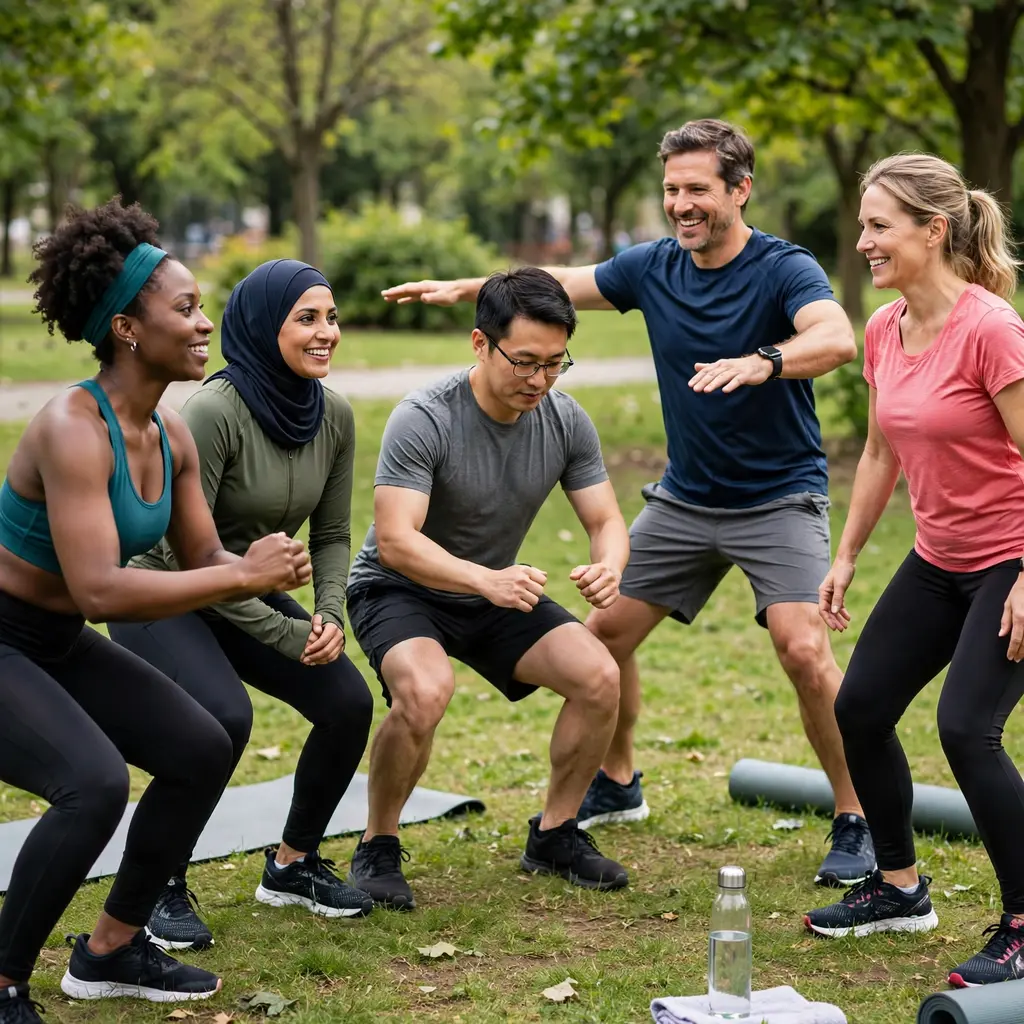
Exercise can provide time away from work and daily responsibilities. Outdoor walks, group activities, and recreational sports may also offer opportunities for social interaction. It is equally important to accept that missed workouts occasionally happen. Missing one session does not mean the entire routine has failed. A flexible mindset makes it easier to return to healthy habits instead of abandoning them after a temporary setback.
Avoid Being Distracted by Every New Trend
The fitness industry constantly introduces new diets, supplements, training methods, and products. Some may eventually prove useful, while others may have limited scientific support. Popularity on social media does not automatically mean something is effective or appropriate for everyone.
Before making major changes, it is sensible to consider the available evidence and whether a particular approach fits individual needs and goals. Sustainable health habits are often less exciting than the latest trend, but they can be far more valuable over time. Regular movement, balanced nutrition, adequate sleep, and recovery remain important foundations of long-term wellbeing.
Build a Routine Around Your Real Life
Long-term fitness becomes easier when healthy choices are practical. Planning exercise sessions around a realistic schedule can reduce the likelihood of skipping them. Preparing simple meals, keeping comfortable workout equipment available, and choosing convenient activities can also make consistency easier.
There is no single fitness routine that works perfectly for everyone. Personal preferences matter. Someone who enjoys swimming should not feel forced to become a runner, and someone who prefers exercising at home does not need a gym membership to stay active. Building a routine around individual interests creates a stronger foundation for long-term commitment.
Focus on Consistency and Gradual Progress
The most valuable fitness results usually develop gradually. Strength, endurance, mobility, and healthy habits improve through repeated effort over time. Comparing progress with other people can create unnecessary pressure and unrealistic expectations.
Instead, focus on personal improvement. A short walk can gradually become a longer one. Basic strength exercises can develop into a more structured programme. Small improvements may seem insignificant individually, but they can create meaningful changes when repeated consistently. A sustainable fitness routine is not about reaching perfection quickly. It is about developing habits that continue supporting health, energy, and wellbeing for years to come.